Loft Conversion
Loft Conversion
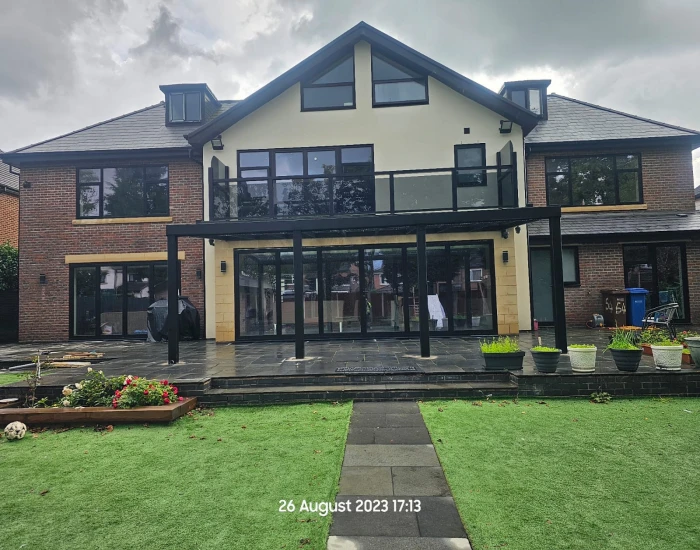
A loft conversion transforms an unused attic into a functional living space, like a bedroom, office, or playroom, by adding insulation, windows, and often structural changes, significantly increasing living area and property value without moving house. Common types include simple roof light conversions, dormers hip-to-gable extensions, and more extensive mansard conversions based on roof shape, budget, and building regulations.
How it works
- Adds space: Creates usable square footage for extra rooms.
- Increases value: Can boost a property's market value.
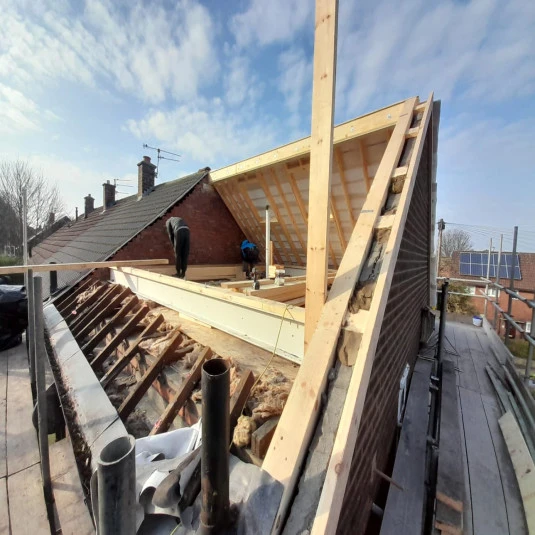
- Structural work: May involve reinforcing floors, altering roof structures, adding insulation, and installing stairs and electrics.
Types of conversions
- Roof light: Best for lofts with enough height, involves adding windows without altering the roofline, making it a popular, cost-effective choice.
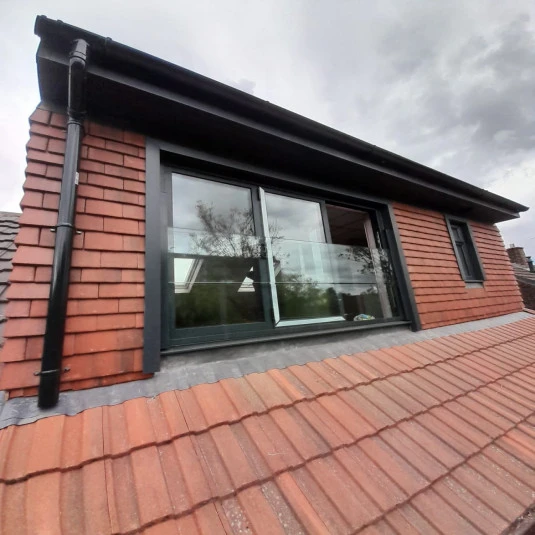
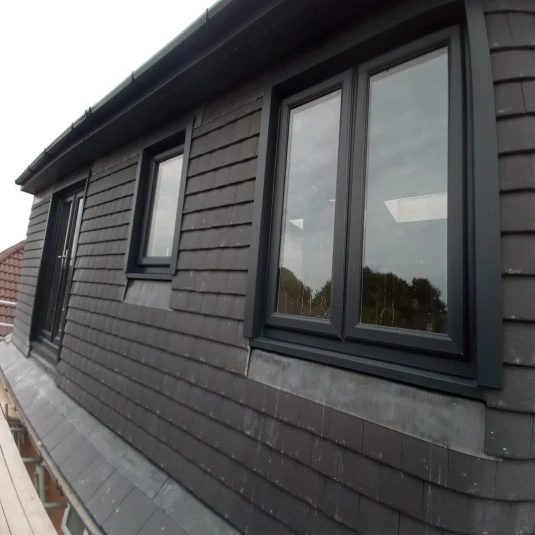
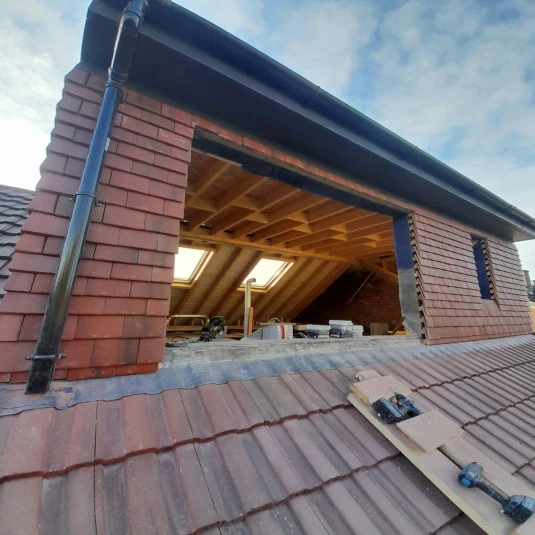
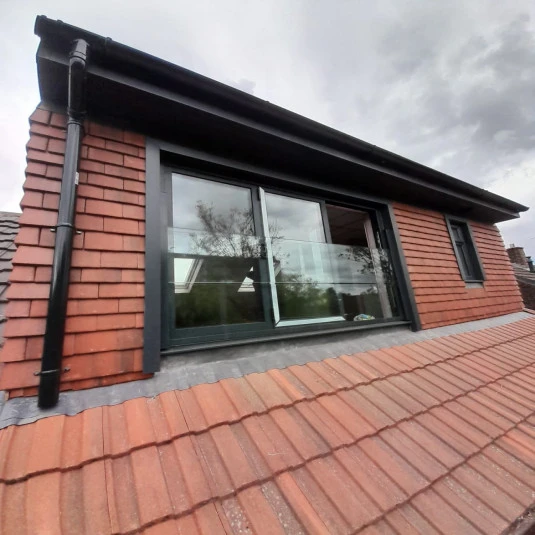
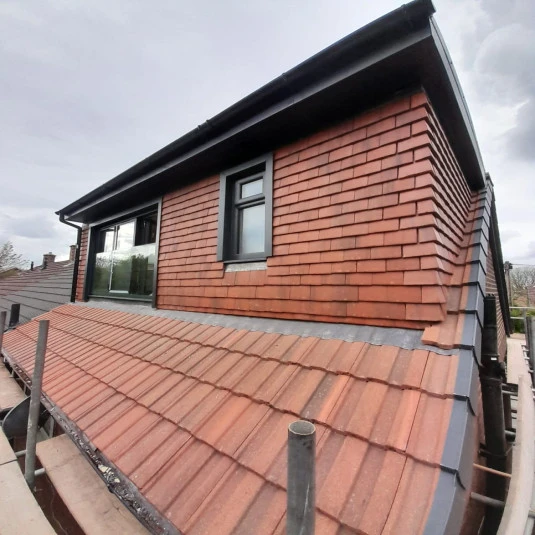
- Dormer: Adds a box-like structure to the sloping roof, creating more headroom and floor space, says Planning Portal.
- Hip-to-Gable: Extends the sloped hip roof outwards to meet a vertical gable wall, maximizing space.
- Mansard: A major structural change that alters the roof slope to an almost vertical wall, creating the most internal space, often used for terraced houses.
Considerations
- Headroom: A minimum height (often around 2.2m) is needed for a habitable room, according to Planning Portal.
- Building Regulations: Essential for safety, covering structure, fire escape, and insulation.
- Planning Permission: May be required for larger changes, especially dormers or mansards.
THE NEW BUILDING PROCESS
Conception & Design
This phase is where the initial idea is formalized. The builder often collaborates with the client and design team (Architects, Engineers).
- Initial Feasibility: Determining if the project is practical, financially viable, and meets zoning/code requirements.
- Design Development: Architects create conceptual, schematic, and detailed design drawings, floor plans, and elevations.
- Value Engineering: The builder contributes expertise to analyze the design for cost-saving opportunities or improved efficiency.
- Construction Documents: Finalizing all detailed blueprints, specifications, and schedules that will be used for permitting and bidding
Pre-construction & Procuremen
This phase moves from planning to execution readiness
- Final Budgeting & Estimating: Producing a firm cost estimate based on the final design documents.
- Permitting: Submitting drawings and applications to local authorities to secure all necessary building permits and approvals.
- Project Scheduling: Creating a detailed timeline (Gantt chart) for all project activities, deliveries, and inspections.
- Mobilization: Setting up the site, including temporary offices, fencing, safety equipment, and utility connections
Site work and Foundation
The physical construction begins.
- Site Preparation: Clearing, demolition (if needed), grading, and leveling the land.
- Excavation: Digging trenches and foundations for below-ground structures.
- Utilities Rough-In: Installing underground pipes and service lines (water, sewer, gas, electrical).
- Foundation: Pouring and curing concrete for footings, slabs, and foundation walls to establish the project's base
Office Contact

67 Wellington Road, Stockport, Sk4 2LP
0161 7063009
info@hnhomebuilder.co.uk
© HN Home Builder, All Right Reserved.
Developed By Silicon Web & Graphic Design